The safety risk hiding in small teams
Originally written for Oysters SA’s “Safety Above & Below the Waterline” series
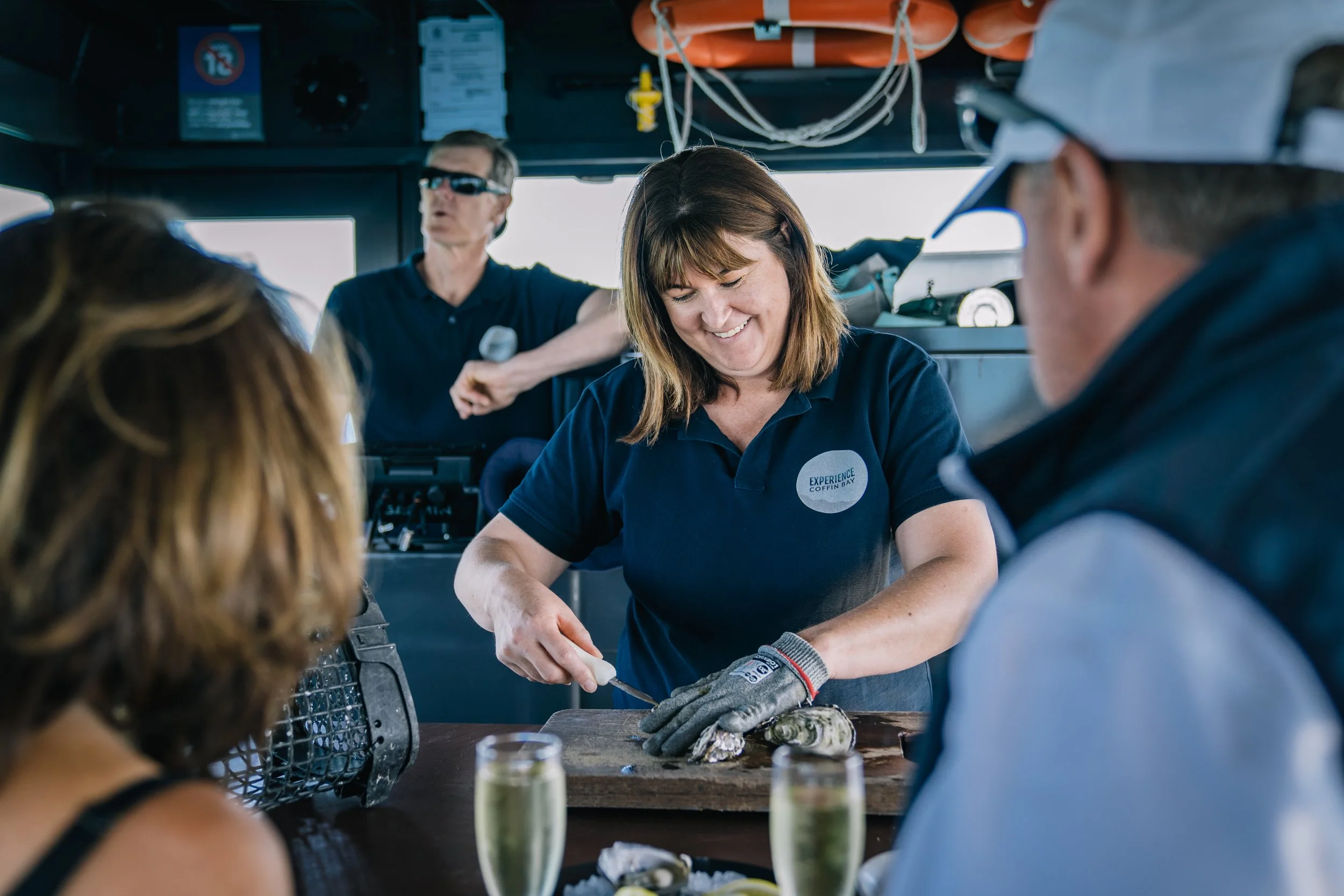
Small teams are one of the greatest strengths of many oyster operations.
People know each other. They work closely together. They understand the tides, the leases and the realities of the job.
But sometimes, the very thing that makes a team strong can also create risk.
Because when everyone knows each other, it can become harder to ask questions, challenge behaviours or speak up when something doesn't feel right.
I didn’t want to make a fuss
Most workplace incidents aren't caused by people deliberately doing the wrong thing.
More often, they're caused by assumptions.
Someone thought a task had already been explained.
Someone noticed a problem but didn't mention it.
Someone wasn't sure how to do something but didn't want to look inexperienced.
Someone saw a shortcut being taken and assumed it must be acceptable.
In small teams, these moments can easily go unnoticed.
Not because people don't care, but because strong working relationships sometimes make difficult conversations harder to have.
How this shows up in the business
Every oyster business is different, but common examples might include:
A new worker unsure who to ask for help
A seasonal worker reluctant to raise concerns
Instructions being misunderstood because English isn't someone's first language
Fatigue becoming accepted as part of the job
Equipment issues not being reported because "it still works"
Workers assuming someone else has already raised a concern
Individually, these situations may seem minor.
But over time, they can create gaps in communication, consistency and decision-making.
And that's often where risk begins to build.
Good safety starts with good conversations
Strong safety cultures aren't built on paperwork alone.
They're built on communication.
The best operators create environments where people feel comfortable asking questions, reporting concerns and speaking up before a problem becomes an incident.
That doesn't mean formal meetings every day.
Sometimes it's as simple as:
Checking in with workers regularly
Encouraging questions
Clarifying expectations
Following up on concerns that are raised
Making sure everyone understands what is expected of them
When people feel heard, they are far more likely to contribute to a safer workplace.
The leadership difference
As a business owner or manager, one of the most important questions you can ask is:
"Would my team tell me if something wasn't right?"
If the answer is uncertain, that's worth paying attention to.
The new psychosocial Codes of Practice place a strong emphasis on consultation and worker engagement. But beyond compliance, involving workers in safety conversations is one of the most effective ways to identify risks early and improve outcomes.
Because the people doing the work often see the hazards first.
Where to start
You don't need a major overhaul to strengthen safety in your business.
Start by having conversations.
Ask your team:
What's working well?
What's frustrating?
What feels unsafe?
What could be improved?
The answers may surprise you.
Not sure where your business stands?
Many businesses are already doing more than they realise. The challenge is understanding where the gaps are, what risks need attention and which actions will have the biggest impact.
That's why Ingham & Co offers safety reviews designed to help businesses understand what's working, what's missing and where to focus next.
No jargon. No unnecessary paperwork. Just clear advice, practical recommendations and a roadmap for improvement.
If you're looking for confidence that your systems are on the right track, request a safety review and gain a clearer understanding of your risks, responsibilities and next steps.
Ingham & Co – Making farm safety simpler, smarter and fit for the future.