Psychosocial hazards. What does that even mean on a farm?
ORIGINALLY PUBLISHED IN COTTON MATTERS (COTTON AUSTRALIA). ADAPTED FOR A BROADER AGRIBUSINESS AUDIENCE.
Psychosocial hazards can sound like “people stuff” — the kind of thing that sits in HR.
And to be fair, how people are treated and supported is a big part of what makes a farm business run well.
The difference is this:
Psychosocial hazards are now also a WHS issue.
And unlike physical risks, they’re often hidden, ignored or written off as a “them problem” until something goes wrong.
What is a Psychosocial Hazard
In simple terms, psychosocial hazards are work factors that can affect someone’s mental health and safety at work.
Not personality.
Not “being tough enough”.
The work itself.
What this looks like on farm
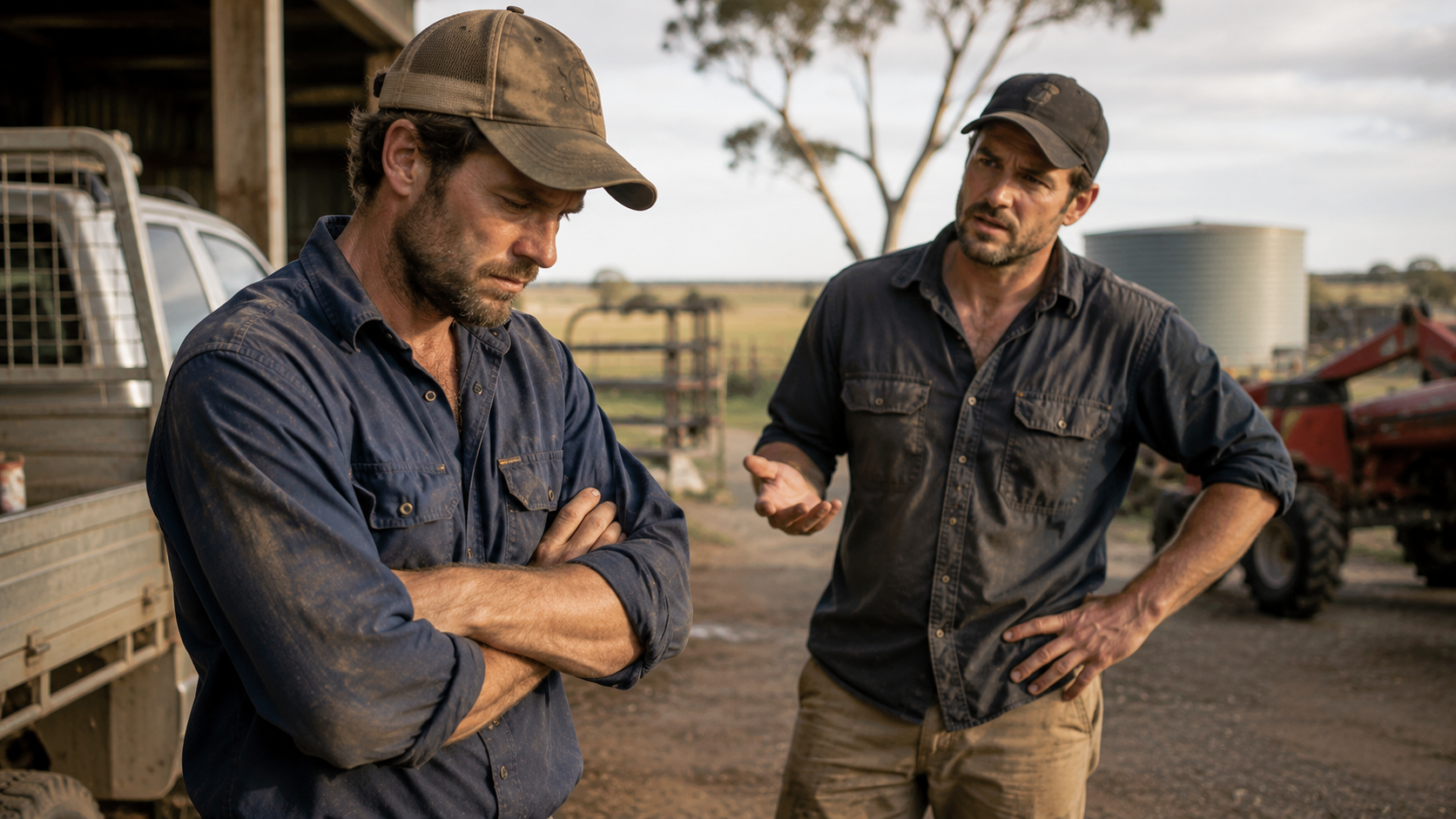
On farms, psychosocial risks often show up in everyday conditions, such as:
Long hours, fatigue and constant time pressure
Unclear roles and expectations
Poor supervision, particularly for new or seasonal workers
Conflict in small teams and communication breakdowns
Bullying, harassment or inappropriate behaviour (including sexual harassment)
Isolation and lack of support when working remotely
These aren’t separate to safety — they influence how people think, act and make decisions on the job.
What’s changed
Psychosocial hazards are now being treated Australia-wide as a WHS compliance issue, not a wellbeing extra.
That means regulators are introducing Codes of Practice and expect businesses to manage these risks like any other hazard:
Identify them
Put controls in place
Review them
Keep basic records that show what you’re doing
This isn’t about “soft stuff”
This isn’t about turning farmers into counsellors.
It’s about tightening up the work conditions that lead to:
Stress
Unsafe shortcuts
Mistakes
People leaving the industry
Three simple ways to stay ahead of risk
1. Name the Pressure Points
Look at where things tend to go off the rails:
Peak periods
Long shifts
Understaffing
Poor handovers
Tension in the team
If it’s creating stress and increasing risk, it’s worth addressing.
2. Set Clear Expectations and Communicate Them
Most solutions are practical:
Clear roles
Better supervision
Proper breaks
A simple way for people to raise issues early
Just as important is setting the standard on behaviour.
When expectations are clear — including around bullying, harassment and sexual harassment — it becomes easier to step in early and stop issues becoming “normal”.
3. Document What You’re Doing
This doesn’t need to be paperwork overload.
Keep it simple:
What you’ve identified
What you’ve changed
How you’ll review it
If something goes wrong, being able to show you took reasonable steps matters.
A question worth asking
If a worker raised a concern tomorrow and SafeWork followed up on the complaint, could you show the steps you’ve taken to manage it?
Across Australia, not just one state
Different states have their own guidance and Codes of Practice relating to psychosocial hazards.
But the direction is consistent:
This is now part of how safety is expected to be managed.
Need support?
If you’re not sure what applies in your state — or you’re dealing with a specific issue on farm — reach out and we can talk it through.
Ingham & Co offers a free On-Farm Safety Review to help you understand where your operation stands and what to focus on next.
Ingham & Co – Making farm safety simpler, smarter and fit for the future.