“If nobody was hurt, there’s no issue.” Wrong. Why near misses matter on farms
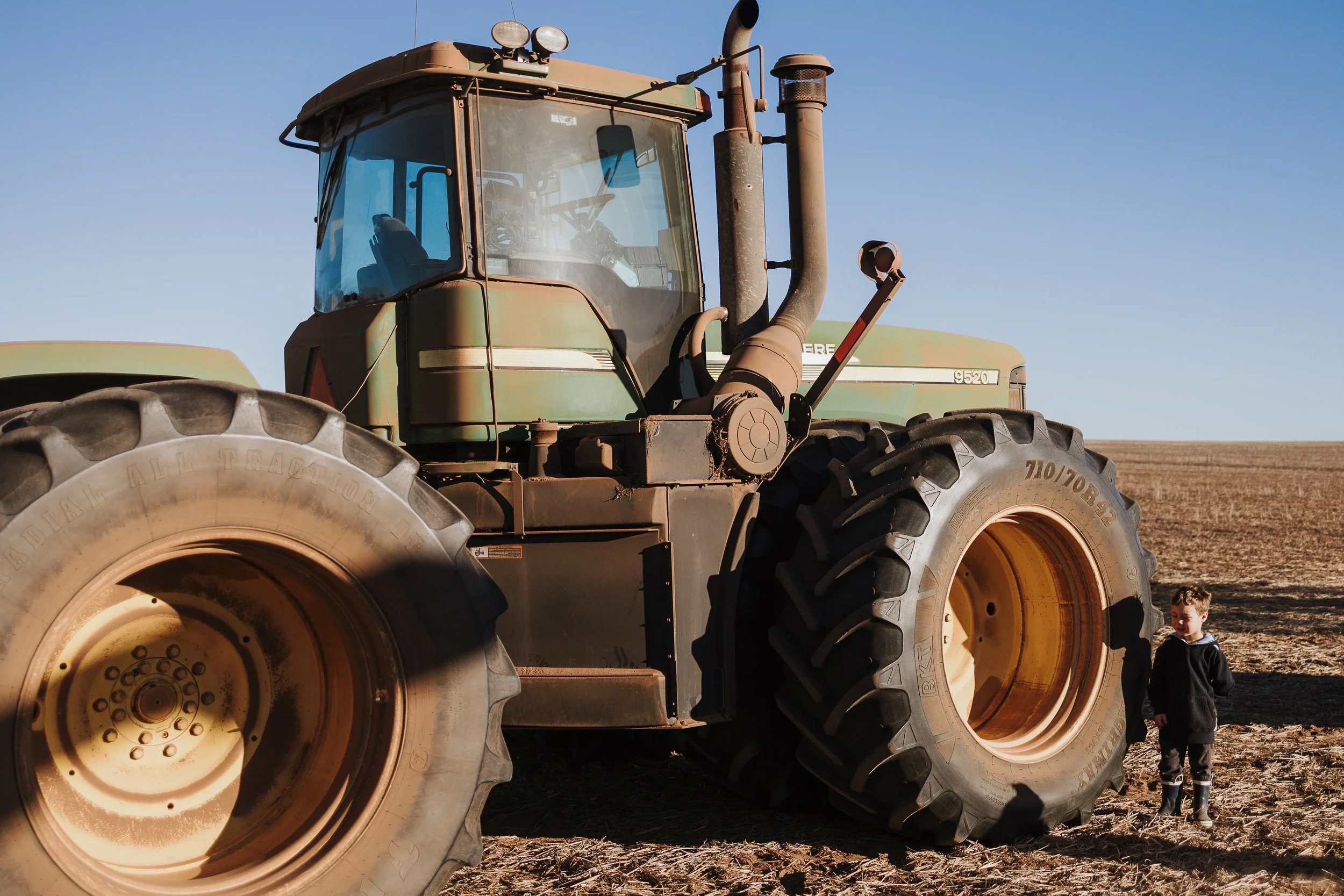
Originally published in Cotton Matters (Cotton Australia). Adapted for a broader agribusiness audience.
“No one was hurt.”
It’s something said on farms across Australia after a close call.
A slip climbing down from a picker.
A tractor reversing a little too close.
Clearing a blockage in a hurry.
A shortcut taken because the job needed to get done.
The moment passes. The job continues. And the near miss is quickly forgotten.
On many farms, these incidents never make it past the ute conversation.
But these moments often tell us far more about farm safety than we realise.
Near misses are early warning signs
Near misses are not just “close calls” — they’re early indicators that something isn’t quite right.
They can point to:
Gaps in systems or processes
Unsafe behaviours becoming normal
Equipment or environmental risks
Pressure points in the way work is being done
In many cases, they reveal the exact conditions that could lead to a serious incident — just without the outcome.
Across agriculture, expectations are shifting. Regulators are placing increasing emphasis on how businesses identify and manage these risks.
But improving safety doesn’t start with a regulator visit.
It starts with recognising what’s already happening on your farm.
The risk of letting it slide
When near misses are ignored, patterns go unnoticed.
What feels like:
“That was close, but we’re fine”
can quickly become:
“We’ve always done it this way”
Over time, that’s where risk builds.
Most incidents don’t come out of nowhere. They’re often the result of smaller warning signs that were missed or dismissed along the way.
Three simple ways to stay ahead of risk
You don’t need a complex system to start managing near misses more effectively.
Focus on three practical steps:
1. Talk About It
If something nearly goes wrong, bring it up.
Have the conversation with your team and encourage others to speak up. Everyone sees risk differently — and you can’t see everything yourself.
2. Fix It
If something isn’t safe, act on it.
Tag out faulty equipment
Adjust unsafe processes
Assign responsibility
Set a timeframe
The key is making sure it doesn’t fall off the list.
3. Document It
This is where many farms fall short.
A simple record of:
What happened
What was discussed
What actions were taken
can make a significant difference.
If you can’t demonstrate that a risk was identified and addressed, it becomes difficult to show that it was ever managed at all.
It’s not about perfection - it’s about evidence
Accidents can still happen in well-run businesses.
But being able to show that you actively identify, manage and document risks can change everything — from how regulators respond, to how your business handles insurance, claims and ongoing operations.
More importantly, it helps reduce the likelihood of someone getting hurt in the first place.
Final thought
Near misses aren’t inconveniences.
They’re early warnings.
Ignoring them can become far more costly than taking the time to address them.
A question worth asking on any farm is this:
How many near misses does it take before you take action?
Want clarity on where your operation stands?
Book a free Safety Review (travel costs may apply) and get tailored advice to help protect your people, business and your future.
No obligation. Just straightforward guidance.
Ingham & Co – Making farm safety simpler, smarter and fit for the future.