AED laws are now in effect in South Australia – are you prepared?
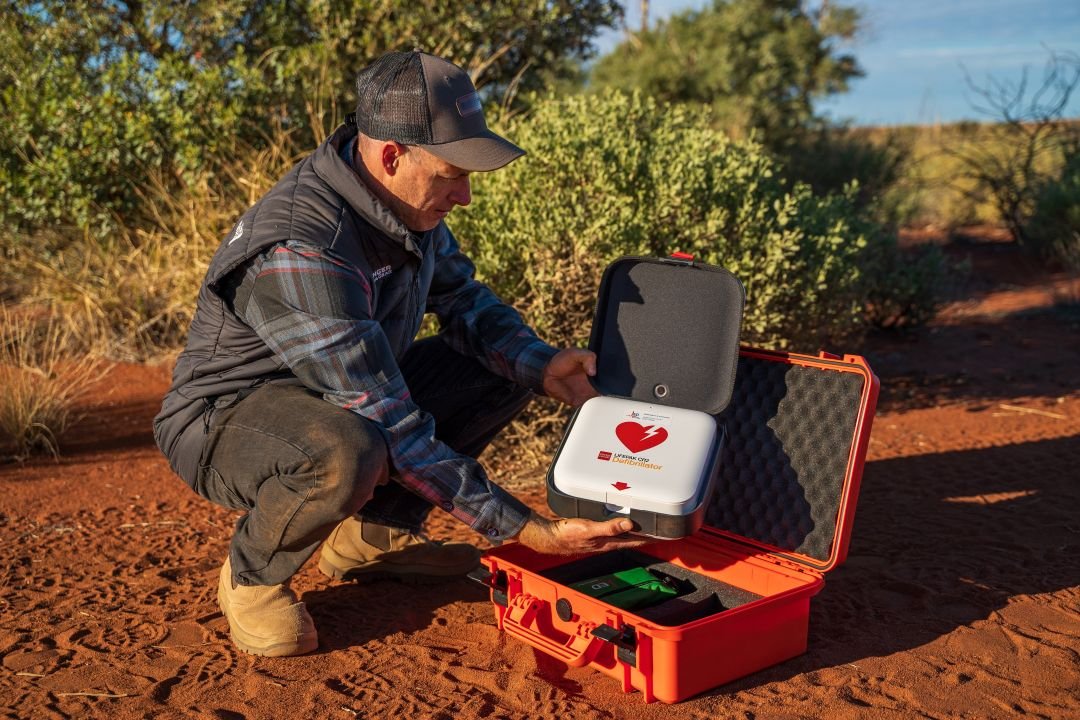
South Australia’s Automated External Defibrillators (Public Access) Act 2022 came into force on 1 January 2025.
That means certain public buildings, facilities and vehicles are now legally required to have at least one Automated External Defibrillator (AED) installed, accessible and registered.
From 1 January 2026, the requirements extended further, with all new commercial buildings over 600 m² and major renovations required to include AED systems at the planning and construction stage.
While many agribusinesses assume this won’t apply to them, we’re already seeing farms and rural businesses captured under the legislation — often without realising it.
If you haven’t reviewed your obligations yet, now is the time.
What the law now requires
Eligible workplaces must:
Have at least one AED installed on site
Ensure the AED is clearly visible and accessible
Register the AED on the South Australian AED Register
Maintain the device so it is operational and ready for use
This is not a future requirement. It is a current legal obligation for workplaces that fall within scope.
Does this apply to farms and agribusinesses?
In many cases, yes.
While farms are not automatically classified as “public buildings”, agribusinesses often operate in ways that bring them under the Act, including:
Offices, sheds or facilities accessed by contractors or service providers
Weighbridges, depots or processing facilities used by external drivers
Training days, field days or workshops held on farm
Agritourism operations, cellar doors or farm stays
Businesses hosting events or members of the public
If people outside your immediate workforce regularly attend your site, it is worth assessing whether you are captured.
The supply issue you need to know about
One of the biggest challenges right now is backlog and limited supply of AED units.
Since the legislation came into effect, demand has increased significantly and lead times are stretching. Businesses that delay risk:
Being unable to source an AED quickly
Falling behind on compliance
Being exposed if an incident occurs while waiting for supply
Waiting until there is an inspection, incident or complaint is not a strategy.
What agribusinesses should be doing now
If you haven’t already taken action, practical next steps include:
1. Confirm whether the Act applies to your operation
Review how your sites are used and who accesses them.
2. Source and install an AED as soon as possible
Factor in current supply delays when planning.
3. Register the AED
Registration is a legal requirement, not an optional extra.
4. Update emergency response procedures
Ensure your first aid and emergency plans reflect the presence and location of the AED.
5. Train key people
While AEDs are designed to be used by the public, training builds confidence and improves response time.
Why this matters beyond compliance
In regional and remote areas, emergency response times are longer — and cardiac arrest does not wait.
An AED on site can mean the difference between life and death, particularly in physically demanding industries like agriculture.
This is one of those changes where doing the right thing for your people also protects your business.
Final thought
If you’re unsure whether your farm or agribusiness is covered, don’t assume it isn’t.
Ask the question. Review your sites. Take action early — especially while AED supply remains tight.
If you’d like help understanding your obligations or integrating this into your existing safety systems, Ingham & Co can support you with a practical, farm-ready approach.
Want clarity on where you stand?
Book a free Safety Review and get tailored advice to help protect your people, business and your future.
Ingham & Co – Making farm safety simpler, smarter and fit for the future.